

Portugal beyond Lisbon: the Douro, the Alentejo and Porto
Published on
Lisbon wins everyone over, but Portugal has much more to offer to those who venture beyond the capital. It is a small country, easy to explore and surprisingly varied: vineyard valleys, golden plains, Atlantic beaches and cities with centuries of history. All with a warmth that makes you feel at home.
What makes the Douro Valley special?
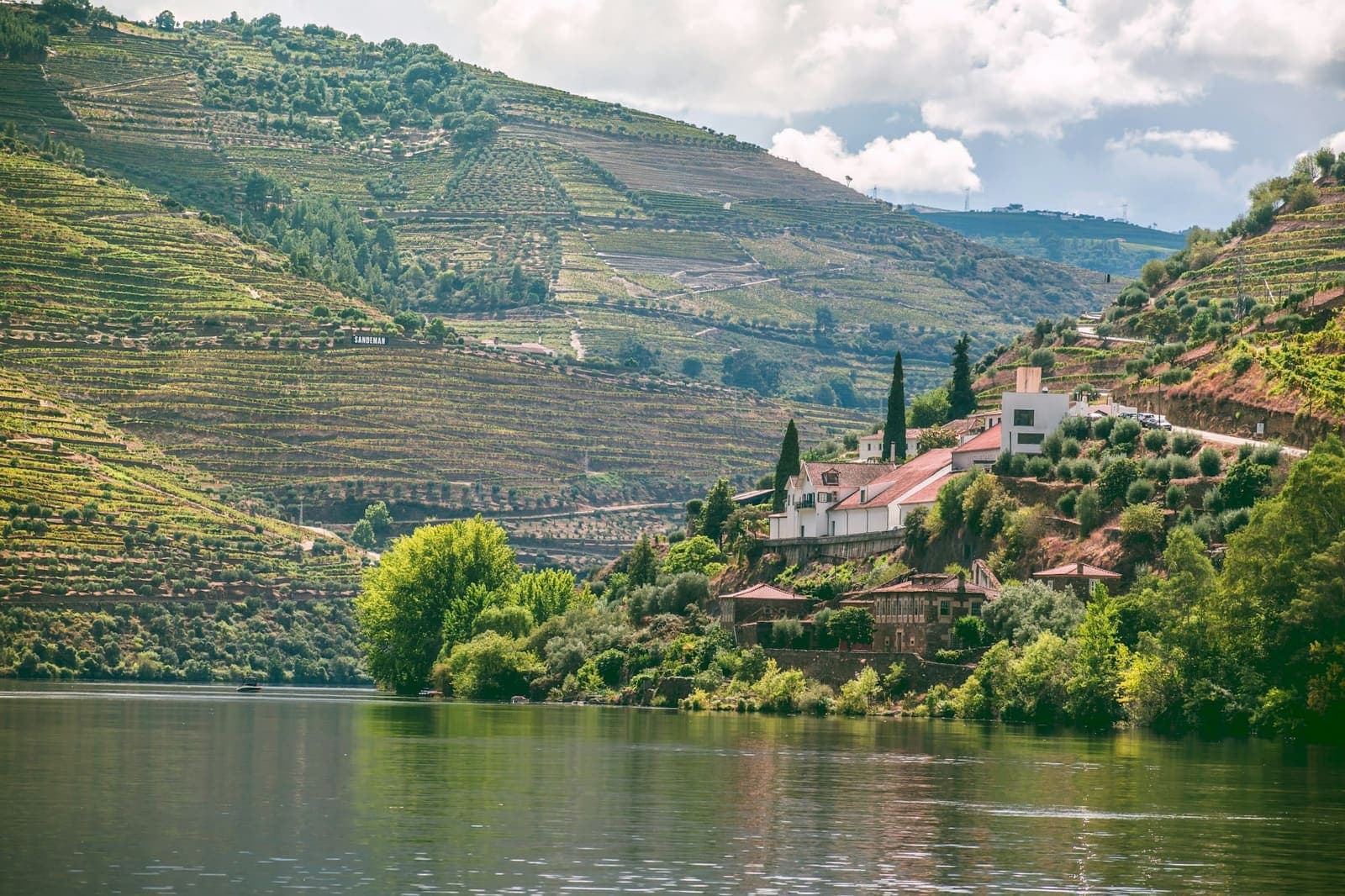
It is one of the most beautiful wine landscapes in the world. Vineyards step down in terraces to the river, and the Alto Douro region is a World Heritage Site for that centuries-old work. This is where port wine is born. Ideally you stay at a quinta, visit family wineries and sail the river at sunset. The September harvest is the liveliest moment of the year.
Why visit the Alentejo?
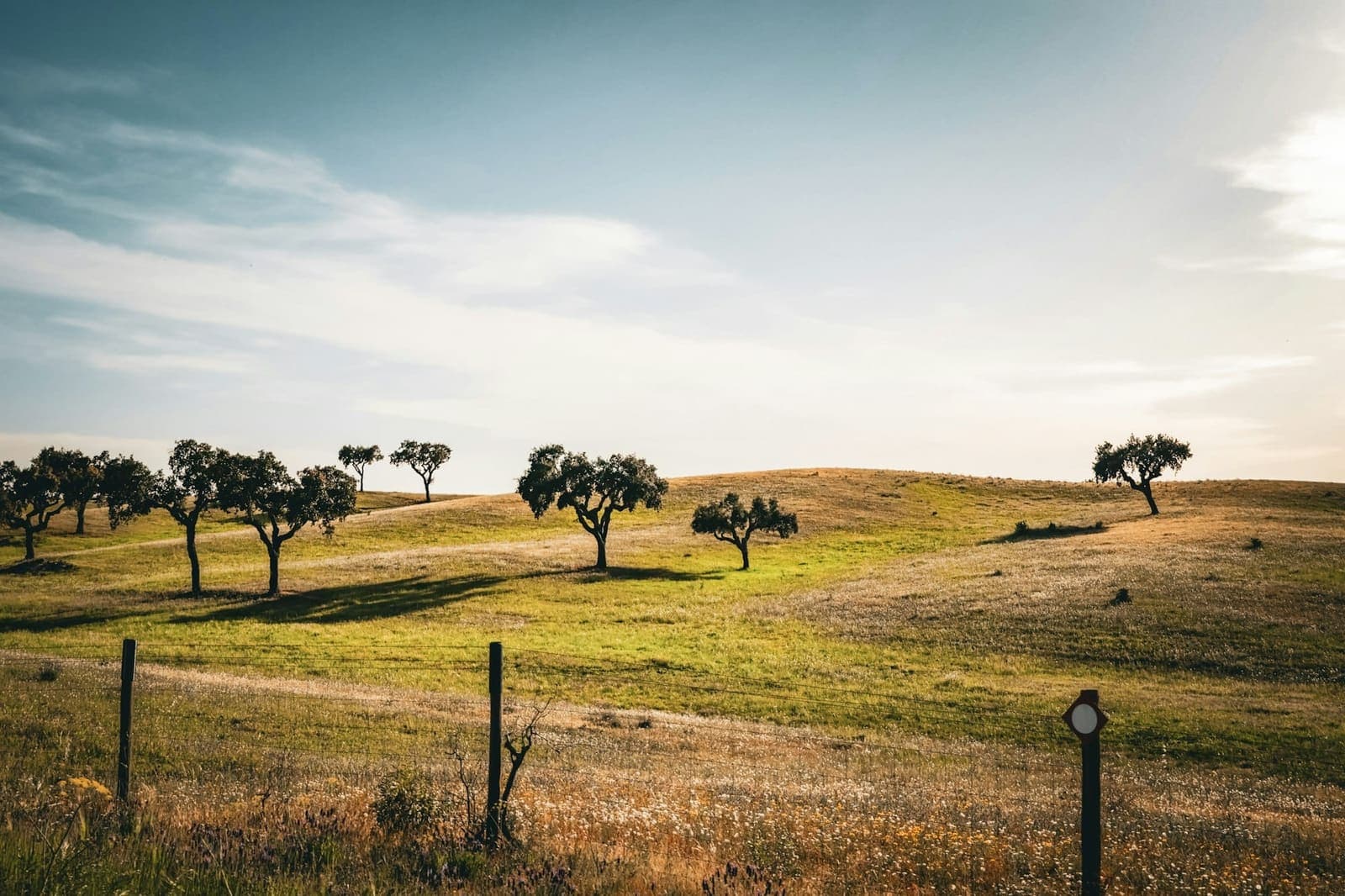
Because it is Portugal at its calmest. Plains of cork oaks and olive trees, white villages on hilltops and generous cooking, with good bread, olive oil and wine. Évora, whose historic center is a World Heritage Site, is a perfect base. And the Alentejo coast has wide, almost untouched beaches.
How many days for Porto?
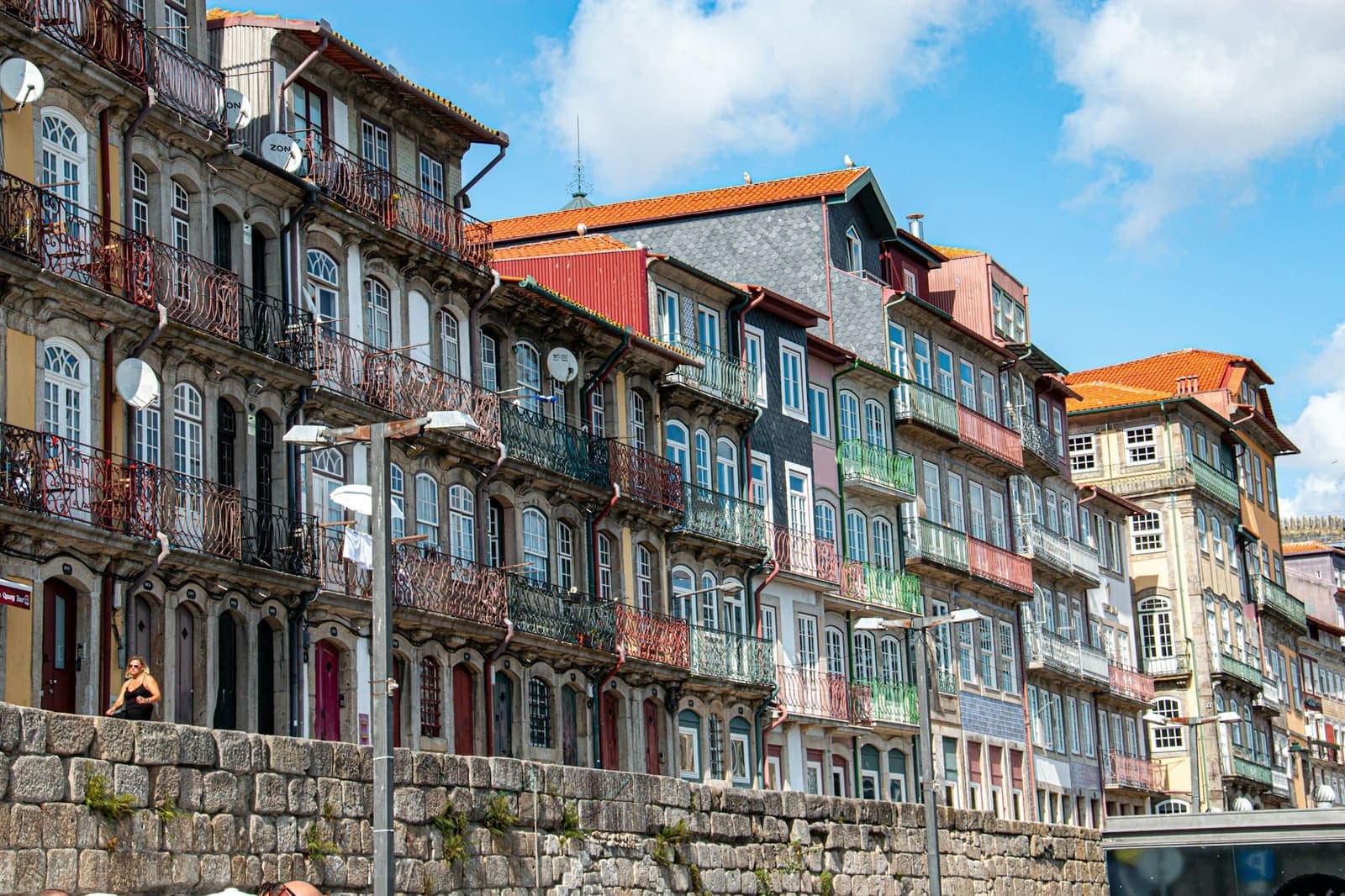
Two or three days are enough to enjoy it. The Ribeira, with its colorful houses facing the river, is a World Heritage Site and the perfect place to wander. Across the river, in Vila Nova de Gaia, are the cellars where port wine ages. And the city is the natural starting point for the Douro.
How to plan the route?
- A few days in Lisbon to start, with a day trip to Sintra.
- Three or four nights in the Alentejo, between Évora and the coast.
- Two or three days in Porto.
- Two nights at a Douro quinta to close the trip.
Two weeks let you do it all calmly. May, June and September are the best months: good weather, the landscape at its best and fewer people. If Portugal tempts you, let us plan it together.
Frequently asked questions
The grape harvest usually takes place in September, one of the loveliest times to visit the region.